



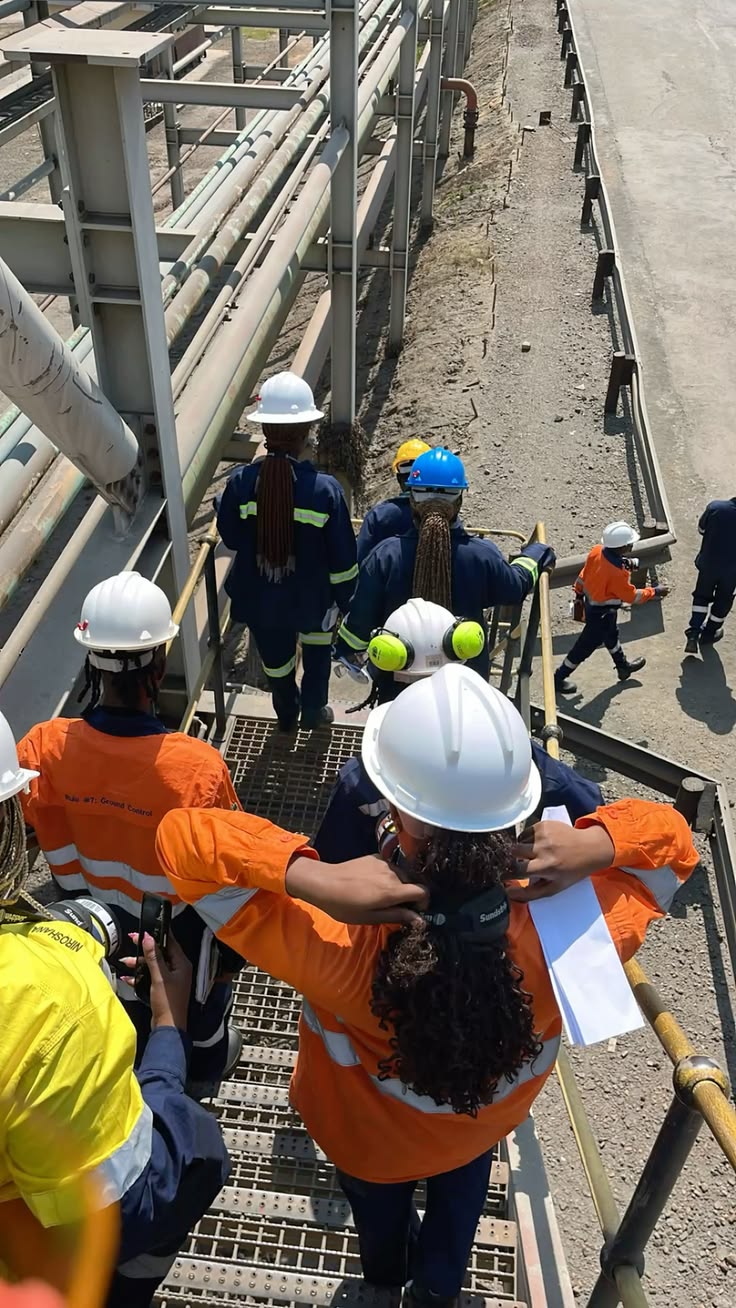
Occupational Health and Safety Management is a systematic approach designed to protect employees, contractors, visitors, organisational assets, and the environment from workplace hazards. It is not a single action or responsibility carried out only after an incident occurs. Instead, it is a continuous process that involves identifying risks, implementing controls, monitoring performance, and improving workplace systems to ensure safer and healthier working conditions.
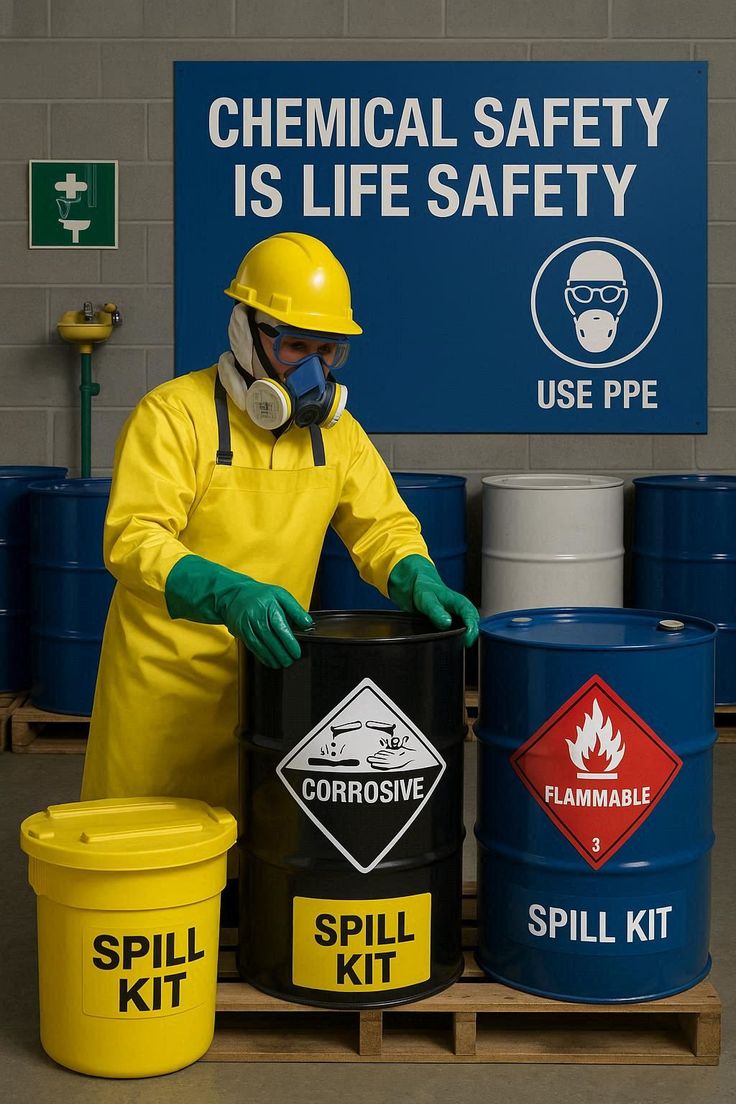
Many organisations understand the importance of safety, but effective safety performance does not happen automatically. It requires a structured approach where every stage of the safety process is carefully planned and implemented. From recognising potential hazards to reviewing existing controls, every step contributes to building a strong safety culture.
At Craftstech Academy, we believe that competent Occupational Health and Safety professionals must understand not only safety rules and regulations but also the processes behind effective safety management. This understanding enables professionals to move beyond responding to incidents and become proactive leaders who prevent harm before it occurs.
UNDERSTANDING THE OCCUPATIONAL HEALTH AND SAFETY MANAGEMENT PROCESS
The Occupational Health and Safety Management process consists of several interconnected steps that help organisations identify workplace risks, control hazards, and continuously improve their safety performance. While different industries may adapt these steps based on their specific operations, the fundamental principles remain the same across workplaces.
A successful OHSM system requires commitment from management, active participation from employees, proper documentation, effective communication, continuous training, and regular evaluation. Safety is not achieved through one department alone. It requires collaboration throughout the entire organisation.
STEP ONE: ESTABLISHING SAFETY COMMITMENT AND LEADERSHIP
The first step in occupational health and safety management begins with leadership commitment. Without visible support from management, safety systems often become ineffective because employees may not see safety as a genuine organisational priority.
Leadership involves establishing clear safety policies, defining responsibilities, providing necessary resources, setting safety objectives, and demonstrating through actions that workplace safety is valued. Managers and supervisors play a critical role because their decisions influence workplace behaviours, attitudes, and overall safety culture.
A strong safety culture begins when leaders understand that protecting people is not only a compliance requirement but also a fundamental responsibility of every organisation.
STEP TWO: IDENTIFYING WORKPLACE HAZARDS
Before risks can be controlled, they must first be identified. Hazard identification is the process of recognising anything within the workplace that has the potential to cause injury, illness, property damage, environmental harm, or operational disruption.
Hazards may come from equipment, materials, work processes, workplace conditions, human behaviour, or organisational systems. Common workplace hazards include physical hazards such as noise, machinery, electricity, and working at height; chemical hazards from dangerous substances; biological hazards from viruses and bacteria; ergonomic hazards from poor work practices; and psychosocial hazards such as workplace stress and fatigue.
Effective hazard identification involves workplace inspections, employee consultation, reviewing previous incidents, analysing work activities, and understanding the specific risks associated with each industry.
STEP THREE: RISK ASSESSMENT AND EVALUATION
After hazards have been identified, the next step is assessing the level of risk associated with each hazard. Risk assessment allows organisations to determine the likelihood of harm occurring and the potential severity of the consequences.
A professional risk assessment considers questions such as: What could go wrong? Who could be affected? How serious could the outcome be? How likely is the event to happen? What controls are currently in place, and are they effective?
Risk assessment helps organisations prioritise their safety efforts by focusing attention on the hazards that present the greatest danger. It ensures that resources are directed toward preventing significant risks rather than reacting only after incidents occur.
STEP FOUR: IMPLEMENTING RISK CONTROL MEASURES
Once risks have been assessed, appropriate control measures must be implemented to reduce or eliminate the possibility of harm. This stage focuses on applying effective solutions that protect workers and improve workplace conditions.
Professional safety management follows the hierarchy of controls when selecting risk reduction methods. The most effective approach is eliminating the hazard completely where possible. If elimination is not practical, organisations may consider substitution, engineering controls, administrative controls, and finally personal protective equipment.
For example, instead of relying only on workers wearing protective equipment around a dangerous machine, an organisation may redesign the process, install protective barriers, automate the activity, or introduce safer operating procedures.
STEP FIVE: DEVELOPING SAFETY POLICIES, PROCEDURES, AND DOCUMENTATION
A strong occupational health and safety system requires proper documentation. Policies, procedures, risk assessments, inspection records, training records, emergency plans, and incident reports provide structure and accountability within an organisation.
Safety documentation ensures that employees understand expectations, responsibilities, and approved methods of performing work safely. It also allows organisations to measure performance, demonstrate compliance, and identify areas requiring improvement.
However, documentation alone does not create safety. Effective systems require employees to understand, apply, and consistently follow the procedures established.
STEP SIX: PROVIDING TRAINING AND SAFETY AWARENESS
Training is one of the most important steps in occupational health and safety management because people cannot effectively manage risks they do not understand.
Employees should receive appropriate training based on their roles, responsibilities, and workplace hazards. This may include general safety awareness, equipment operation, emergency response, hazard reporting, safe work procedures, fire safety, first aid, and industry specific requirements.
Continuous learning ensures that employees remain competent, confident, and prepared to perform their duties safely. It also encourages employees to actively participate in improving workplace safety.
STEP SEVEN: MONITORING, INSPECTION, AND SAFETY PERFORMANCE MEASUREMENT
Occupational health and safety management requires continuous monitoring to determine whether safety systems are working effectively. Organisations must regularly inspect workplaces, review procedures, analyse safety data, and measure performance against established objectives.
Safety inspections help identify unsafe conditions before they result in incidents. Audits evaluate whether safety systems are being properly implemented. Performance indicators such as incident rates, near miss reports, corrective actions, and training completion help organisations understand their safety progress.
Monitoring allows organisations to identify weaknesses and take corrective action before problems become serious.
STEP EIGHT: INCIDENT INVESTIGATION AND CORRECTIVE ACTION
Even with strong safety systems, incidents may still occur. When they do, professional organisations focus on understanding what happened and preventing recurrence rather than simply blaming individuals.
Incident investigation involves collecting information, identifying immediate and underlying causes, analysing failures within systems or processes, and implementing corrective actions. A proper investigation looks beyond the visible event and examines factors such as inadequate training, poor supervision, equipment failure, communication gaps, or ineffective procedures.
Learning from incidents strengthens safety systems and helps organisations continuously improve.
STEP NINE: CONTINUOUS IMPROVEMENT OF SAFETY SYSTEMS
Occupational health and safety is not a process that ends after policies are created or training is completed. Workplaces change, new technologies are introduced, and new risks emerge. Therefore, organisations must continuously review and improve their safety systems.
Continuous improvement involves evaluating performance, updating procedures, strengthening controls, engaging employees, and adapting to changes in legislation, industry standards, and operational requirements.
Organisations with strong safety cultures understand that excellence in safety is achieved through ongoing commitment and improvement.
BUILDING COMPETENT OCCUPATIONAL HEALTH AND SAFETY PROFESSIONALS
Understanding the steps involved in Occupational Health and Safety Management is essential for anyone seeking to build a career in the profession. Safety professionals are responsible for guiding organisations through these processes, supporting compliance, managing risks, educating employees, and creating workplaces where people can perform their duties safely.
At Craftstech Academy, our Professional Diploma in Occupational Health and Safety Management (OHSM) equips learners with the knowledge and practical skills required to understand workplace hazards, develop safety systems, conduct assessments, manage incidents, and contribute effectively across different industries.
The six month programme is designed for aspiring safety professionals as well as individuals seeking to upgrade their existing knowledge and advance their careers. Through structured lessons, comprehensive learning materials, practical assignments, quizzes, and workplace focused activities, learners develop the competence required to contribute meaningfully to modern safety management.
CONCLUSION
Occupational Health and Safety Management is built on a series of deliberate steps that transform workplace safety from a reactive responsibility into a proactive system of prevention and improvement. From leadership commitment and hazard identification to risk control, training, monitoring, and continuous improvement, each stage plays an important role in protecting people and strengthening organisations.
Safety is not achieved by chance. It is created through knowledge, planning, commitment, and effective management systems.
As industries continue to grow and workplace expectations increase, the need for competent Occupational Health and Safety professionals will continue to expand. Building expertise in OHSM is not only a career opportunity but also an opportunity to contribute to safer workplaces and a safer future.