



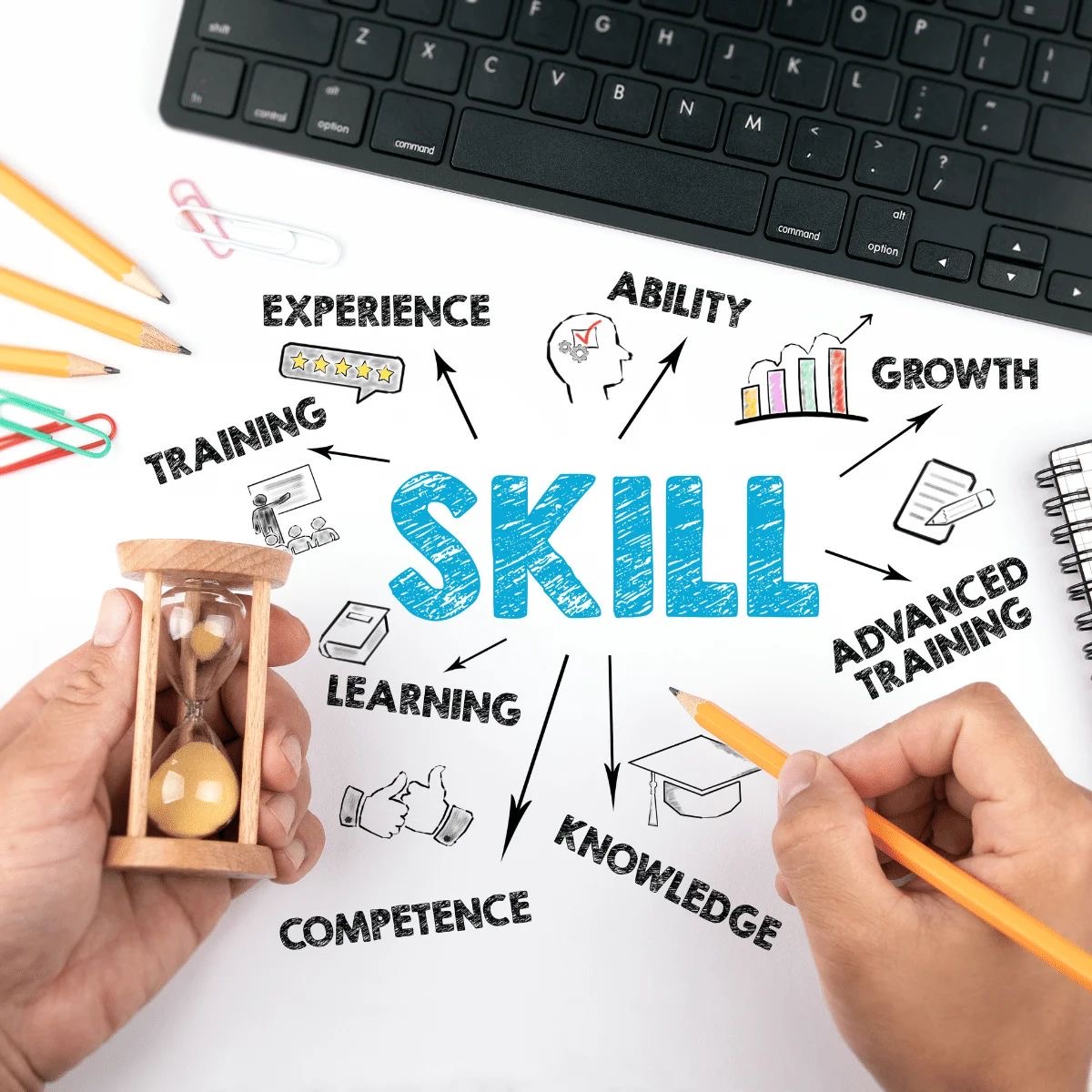
Most people do not realize how building a skill can benefit them in the long term, especially when it comes to financial freedom and personal stability. Graduating from the university with an education is important, but it is not enough on its own. A degree can open the door, but a skill is what keeps you inside the room and helps you grow.
The truth is simple. Education gives you knowledge. Skill gives you income, relevance, and independence.
Below are clear reasons why developing a skill is not optional if you want to build a strong future.
- A skill makes you useful, not just qualified
Having a certificate shows you have learned something. Having a skill shows you can apply it. Employers and clients care more about what you can do than what you know.
Example: Two graduates apply for the same role. One has only a degree. The other has a degree plus practical skills like data analysis or content writing. The second person is more likely to be chosen because they can deliver results immediately.
- A skill increases your earning potential
Income is closely tied to the value you can provide. The more valuable your skill, the more you can earn. People who solve real problems get paid more.
If you stay at a basic level, your income will likely stay basic. If you improve your skill and become better than average, your earning opportunities expand.
- A skill gives you independence
Relying on one source of income can be risky. A skill allows you to create other income streams. You can freelance, start a small business, or offer services on your own terms.
Example: Someone with graphic design skills can work a job and still take on private clients in the evenings. Over time, that side income can grow into a full business.
- A skill builds real confidence
Confidence does not come from talking. It comes from knowing you can handle tasks and deliver results. When you have a strong skill, you trust your ability.
This kind of confidence shows in how you speak, how you present yourself, and how you take on challenges.
- A skill protects you during uncertainty
The job market changes. Companies reduce staff. Industries shift. If you depend only on one job, you are exposed.
With a solid skill, you have options. You can move, adjust, or create new opportunities when needed.
- A skill improves your discipline and focus
Learning and improving a skill requires consistency. You have to practice, make mistakes, and keep going. This process builds discipline.
That discipline will reflect in other areas of your life, including how you manage time, money, and responsibilities.
- A skill helps you stand out
Many people have degrees. Fewer people have strong, proven skills. Skill is what separates you from the crowd.
Example: In a competitive field, the person who can show real work, real results, and practical ability will always have an advantage over someone who only has theory.
- A skill creates long term opportunities
When you become good at something, people begin to notice. Opportunities start coming your way. Partnerships, leadership roles, and new income streams often follow competence.
Example: A person who starts with a simple skill like social media management can grow into managing brands, consulting businesses, or building their own agency over time.
In the end, skill development is an investment in yourself. It is one of the few things that stays with you wherever you go. Jobs can change. Markets can shift. But what you can do with your hands and your mind will always have value.
Start small if you need to, but start. Choose one skill, focus on it, and build it properly. Over time, that one decision can change your financial direction and your entire life.