
Call Us: 0200285919
Home Professional Diploma In Skincare Formulation & Product Development


August 1st, 2026
The beauty and personal care industry is evolving rapidly, creating new opportunities for professionals who possess both scientific expertise and commercial understanding. Success in today’s skincare industry requires more than creativity. It demands a strong foundation in cosmetic science, formulation principles, product safety, innovation, and strategic product development. The skincare industry is no longer just about beauty. It is now one of the fastest growing global industries driven by science, consumer awareness, wellness culture, and product personalization. Behind every successful skincare product is not just branding, but formulation intelligence, ingredient knowledge, stability science, safety systems, and strategic product development. From independent skincare founders to global cosmetic laboratories, the demand for skilled skincare formulators and product developers continues to rise across international markets.
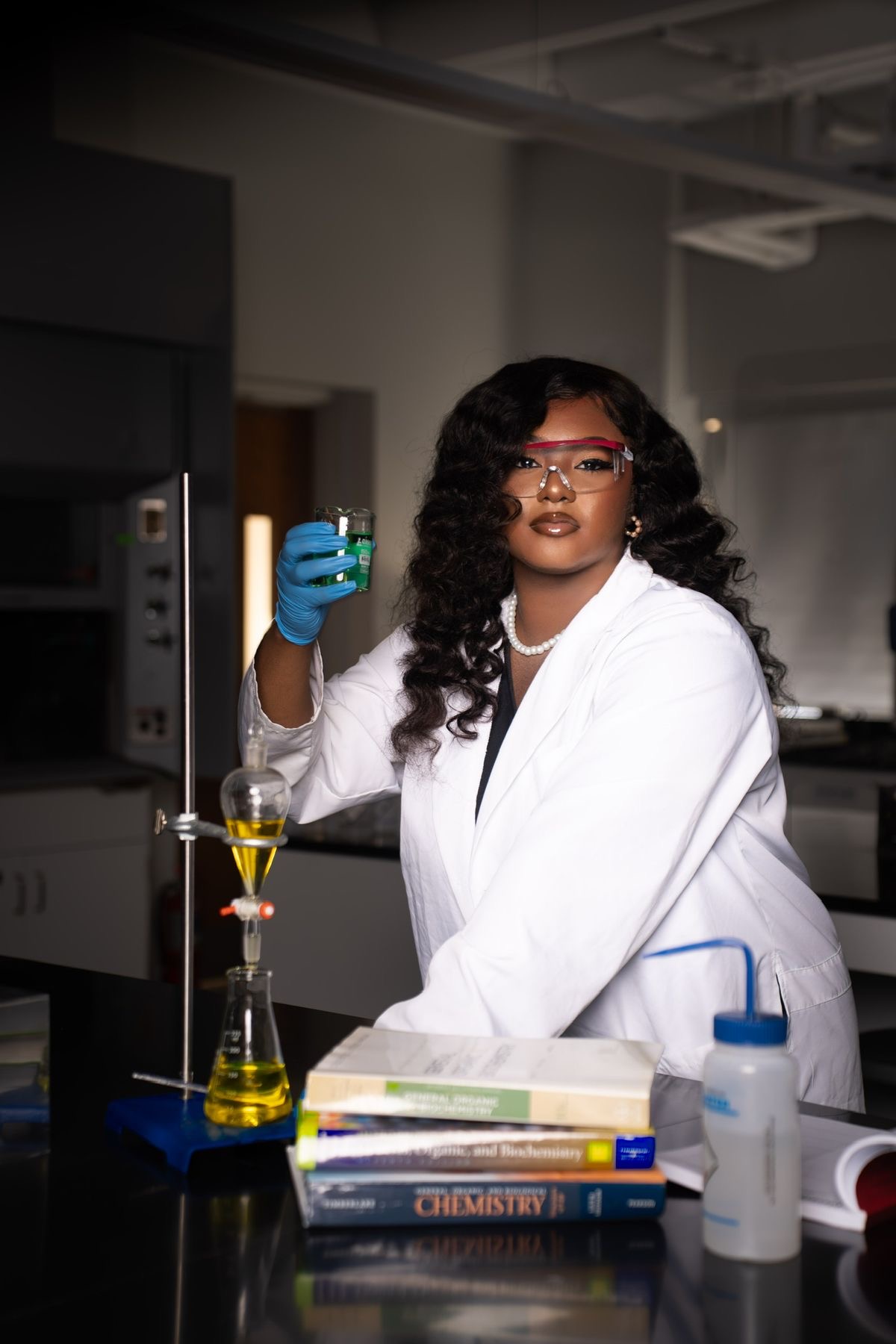
The Professional Diploma in Skincare Formulation and Product Development is a comprehensive industry focused program designed to train students in the science, structure, formulation, development, testing, and positioning of skincare products from foundation to professional application. This program goes beyond surface level beauty education and introduces learners to the real technical systems behind cleansers, moisturizers, body care products, treatment formulations, toners, exfoliation systems, oil based serums, emulsions, preservatives, stability engineering, product testing, branding, and commercial product development.
Students will gain a deep understanding of skin biology, cosmetic chemistry, ingredient functionality, formulation mathematics, microbiology, packaging compatibility, preservation systems, raw material intelligence, and formulation troubleshooting. The program is carefully structured to move learners from beginner scientific understanding into practical formulation thinking and advanced product development processes used within modern skincare businesses and cosmetic manufacturing environments.
This diploma is ideal for aspiring skincare formulators, beauty entrepreneurs, cosmetic brand founders, spa and wellness professionals, product development enthusiasts, and individuals seeking to build scientifically informed skincare businesses with long term commercial potential. Whether the goal is to formulate for personal brands, work within the cosmetic industry, develop treatment focused skincare systems, or launch scalable product lines, this program provides the technical and strategic foundation required to operate professionally in the skincare space.
Beyond formulation, the program also introduces students to branding, product identity strategy, market positioning, consumer behavior, product testing, and business launch systems. This allows graduates to understand not only how to formulate effective skincare products, but also how to position them responsibly and competitively within the evolving beauty and wellness market.
The future of skincare belongs to individuals who understand both science and strategy. This program was developed to prepare students for that future through practical knowledge, technical depth, industry relevance, and commercially aligned skincare education.
This programme has been carefully designed to bridge the gap between theory and professional practice. Through an intensive one-year learning experience, you will develop the technical knowledge and practical skills required to formulate high-quality skincare products, evaluate ingredient performance, troubleshoot formulations, and develop products that meet industry standards and consumer expectations.
Unlike programmes that focus solely on product making, this diploma provides a comprehensive understanding of the entire product development process. From skin science and cosmetic chemistry to formulation, stability testing, quality assurance, packaging, branding, product positioning, and commercialization, you will gain the competencies needed to transform ideas into professionally developed skincare products.
You will learn from an industry-focused curriculum that emphasizes practical application, critical thinking, innovation, and problem-solving. By working through real formulation challenges and product development projects, you will build the confidence to develop effective, safe, and market-ready skincare products.
Whether your goal is to establish your own skincare brand, work within the cosmetics industry, provide formulation consultancy, or contribute to research and product innovation, this programme provides the scientific foundation, technical competence, and business insight required to build a successful and sustainable career.
Graduates leave the programme with more than formulation skills. They graduate with the ability to think like cosmetic product developers, innovate responsibly, and create products that deliver value to consumers while meeting professional and industry expectations.
The Professional Diploma in Skincare Formulation and Product Development prepares graduates for diverse career opportunities within the global beauty, cosmetics, wellness, and personal care industries. As consumer demand for safe, innovative, and high-performance skincare products continues to grow, skilled cosmetic formulation professionals are increasingly sought after by manufacturers, laboratories, beauty brands, research institutions, and entrepreneurial ventures. Graduates may pursue careers such as:
• Skincare Formulator
• Cosmetic Formulation Scientist
• Cosmetic Product Developer
• Research and Development (R&D) Assistant
• Cosmetic Research Associate
• Product Development Officer
• Product Innovation Specialist
• Cosmetic Laboratory Technician
• Quality Control Officer
• Quality Assurance Officer
• Cosmetic Manufacturing Technician
• Ingredient and Raw Materials Specialist
• Regulatory Affairs Assistant
• Cosmetic Safety and Compliance Officer
• Product Testing and Evaluation Officer
• Cosmetic Brand Consultant
• Beauty Product Consultant
• Cosmetic Sales and Technical Support Specialist
• Spa and Wellness Product Specialist
• Cosmetic Trainer or Educator
• Beauty Entrepreneur
• Founder of a Skincare Brand
• Private Label Product Developer
• Cosmetic Manufacturing Business Owner
Graduates may find employment opportunities in cosmetic manufacturing companies, skincare and beauty brands, research and development laboratories, quality assurance laboratories, pharmaceutical and cosmeceutical companies, spas and wellness centres, aesthetic clinics, beauty consulting firms, ingredient supply companies, regulatory organizations, retail beauty companies, and entrepreneurial ventures.
The programme also provides a strong foundation for graduates who wish to pursue advanced studies, specialized cosmetic science training, or professional development in formulation research, product innovation, regulatory affairs, and cosmetic manufacturing.

Want to receive push notifications for all major on-site activities?
Craftstech Academy
Typically replies within minutes
Any questions related to Craftstech?
WhatsApp Us
Online | Privacy policy
WhatsApp us